When we step into the world of trading, the word "risk" often triggers an emotional response. Many novice traders, and even seasoned ones, sometimes associate risk with imminent loss, chaos, or reckless gambling. But is risk always bad, or are we framing it incorrectly? In this blog post, we'll unwrap the true nature of risk in trading, why risk is never the enemy, and how probability thinking and proper management can turn market uncertainty into an opportunity rather than a threat.
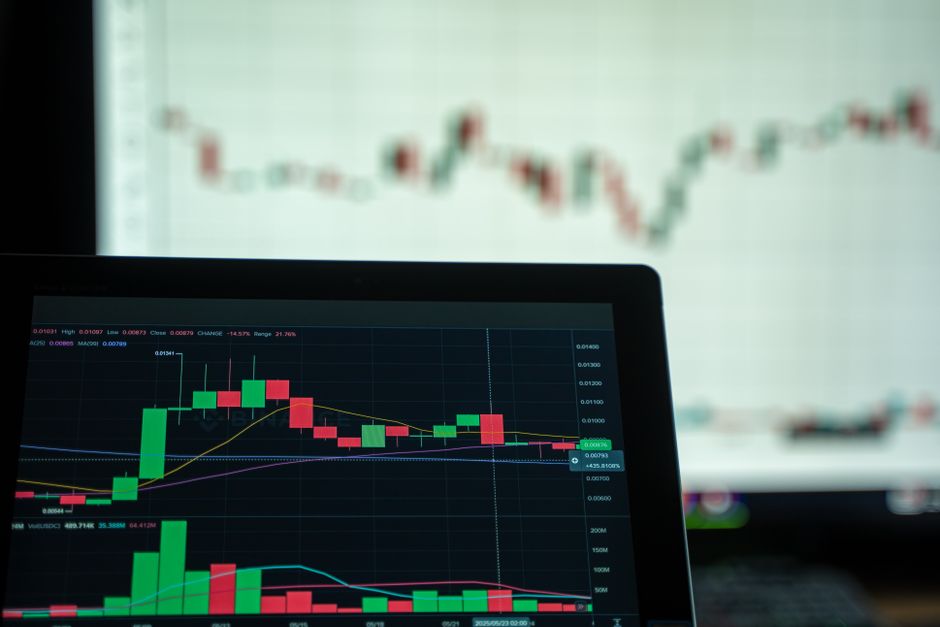
Understanding Risk: The Unavoidable Reality of Trading
At its core, risk in trading is the possibility that an outcome will differ from your expectations. The financial markets are inherently uncertain, influenced by countless dynamic factors—from economic data to geopolitical events, and consumer behavior to sentiment shifts. This uncertainty means that risk is unavoidable. It’s simply part of the game.
Take, for example, regulated online platforms like MrQ. These platforms can't eliminate risk but instead provide players and traders the environment and tools to understand and manage it responsibly.
Why "Risk is Never the Enemy"
It is a misconception to label risk as inherently bad. Risk is not an opponent to be defeated but a fundamental characteristic of trading that must be managed. Profitable trading strategies aren’t risk-free—they involve calculated risks where the trader balances the potential rewards against the potential downsides.
Even the most successful discretionary traders emphasize:
- Risk management: Limiting losses to protect capital while allowing winners to run. Probability thinking: Understanding that each trade is one trial among many, with outcomes described by probabilities rather than certainties.
Cognitive Biases and Distorted Perceptions of Risk
One reason many traders view risk negatively is because of cognitive biases, which distort probability and decision-making:
- Loss aversion: The pain of loss feels stronger than the pleasure of a gain, leading traders to avoid risks even when they are favorable. Overconfidence: Traders may underestimate risk when feeling lucky or after a string of wins. Gambler’s fallacy: Believing that past outcomes affect future probabilities in independent events.
These biases cloud judgment and can lead to poor risk decisions, such as taking too large positions or doubling down on losing trades.
Using Tools to Combat Bias: Trading Journals and Performance Analytics
Professional traders and platforms alike recognize that mitigating cognitive bias begins with disciplined tracking and reflection:
- Trading journals: Recording every trade with details about the setup, reasoning, and emotions helps traders objectively review performance and learn from mistakes. Performance analytics: Software analytics tools assess overall profitability, win rates, drawdowns, and expectancy metrics—painting a clearer statistical picture beyond gut feelings.
MrQ, while primarily a gaming platform, also emphasizes transparency and provides tools for players to monitor their activity carefully—a principle mirrored in serious trading surveillance and risk management.
Probability Thinking and Expectancy: Your Best Allies
To truly master risk, one must embrace probability thinking—recognizing that absolutely predicting a single market event is impossible. Instead, traders think in terms of:
- Expected value (expectancy): How much you expect to make or lose on average per trade over the long term. Sample size: The number of trades/trials required to validate that your strategy works.
Why Sample Size Matters
A trader’s gut can be dangerously misleading in small samples of outcomes. For example, winning three trades in a row may feel like a skillful streak, but it might simply be chance. Only after a sufficiently large number of trades can the true performance emerge—reinforcing that trading is a long-game.

Here is a simplified table illustrating how sample size affects confidence in trading outcomes:
Number of Trades Win Rate Confidence in Strategy Validity 10 70% Low - Likely due to luck 100 55% Moderate - Some indication of skill 1000+ 52% High - Statistically significantLarge sample sizes coupled with personalized analytics allow traders to move beyond emotional reactions to fact-based strategy refinement.
Trust, Regulation, and Safety: Crucial When Real Money is at Stake
Whenever money is involved, especially in online trading or gaming environments, trust is paramount. Regulated platforms ensure that risk is transparent and that user protections are in place:
- Licensing: Regulatory approval confirms the platform is subject to audits and compliance enforcement. Fair play and transparency: For example, platforms like MrQ operate under strict regulatory frameworks, reassuring users about fairness and security. Responsible gambling and trading tools: Limits on deposits and access to self-exclusion help users manage their involvement responsibly.
In trading, working with brokers and platforms that have proper regulation gives traders confidence that their funds are secure and that market mechanics aren’t being manipulated.
Conclusion: Reframing Risk as a Partner, Not a Foe
To answer the question, Is risk losing streak psychology always bad in trading or am I thinking wrong?, the truth lies in how we conceptualize and handle that risk. Risk is never the enemy. It’s an inherent aspect of the market’s uncertainty. The real skill lies in managing this risk with discipline, leveraging probability thinking, recognizing cognitive biases, and employing tools like trading journals and performance analytics.
Choosing regulated and trustworthy platforms, like MrQ in their sector, further safeguards your financial and emotional capital, allowing you to focus on refining strategy rather than fearing risk.
Ultimately, adopting a mindset that views risk as a controlled, calculated partner—not a dangerous adversary—sets you on the path to successful and sustainable trading.
Takeaways
Risk in trading is unavoidable but manageable. Cognitive biases distort perception of probability; tools help mitigate this. Large sample sizes and positive expectancy confirm that a strategy works. Probabilistic thinking beats gut feelings. Trust regulation and user protection when real money is involved.Ready to embrace risk as part of your trading journey? Document each step, review your performance critically, and let probability, not fear, guide your decisions.
```