In today’s fast-evolving payment landscape, understanding the distinction between payment authentication and payment authorization is essential for merchants, consumers, and fintech enthusiasts alike. As commerce shifts toward digital-first experiences, with fewer cash transactions and a growing array of payment options, knowing how security checks function behind the scenes helps clarify why your checkout process looks the way it does.
This article explains the key differences between authentication and authorization in payments, touches on emerging trends like digital wallets and bank transfer technologies, and highlights what companies like MrQ and organizations such as UK Finance say about these processes. This reminds me of something that happened made a mistake that cost them thousands.. We'll also debunk a common mistake seen in payment-related content: omitting concrete details like fees, pricing, or transaction limits.
Why Payment Authentication and Authorization Matter
Before diving into differences, let’s set the stage with business context:
- Payments are increasingly digital-first as cash declines rapidly in many markets. Cards remain important but no longer dominate—digital wallets and instant bank transfer methods are gaining traction. Security needs to balance fraud prevention with smooth checkout UX to reduce abandoned carts.
With this context, payment authentication and authorization are the two core security steps that verify a transaction is both legitimate and allowed.
Defining Payment Authentication
Payment authentication is the process that checks if the person or device trying to make a payment is who they claim to be. Think of it as the payment system asking, “Are you really the account owner?” before approving the payment.
Want to know something interesting? authentication happens early in the transaction flow and often involves:
- Entering passwords or PINs Using biometric data like fingerprints or facial recognition One-time codes sent via SMS or email (two-factor authentication) CAPTCHA challenges, such as Google reCAPTCHA, ensuring a human—not a bot—is making the payment
In the UK, UK Finance highlights that strong customer authentication (SCA), mandated under regulations like PSD2, is essential for reducing card fraud and improving shopper confidence in digital payments.
Examples of Payment Authentication in Practice
- When MrQ customers enter a card, the system prompts a verification code to the registered phone before finalizing the bet or deposit. Digital wallets like Apple Pay and Google Pay use device-level biometric authentication to unlock a wallet before allowing a tap-to-pay transaction.
Understanding Payment Authorization
Payment authorization happens after authentication and checks whether the payment should be allowed based on factors like account balance, risk, and merchant approval. Simply put, authorization asks, “Is this payment approved to move money from payer to payee?”
This is where the actual transaction limit, fee deductions, and fraud risk assessment come into play. Authorization occurs with the payer’s bank, the card network, or payment provider confirming that funds are available and the payment details are valid.
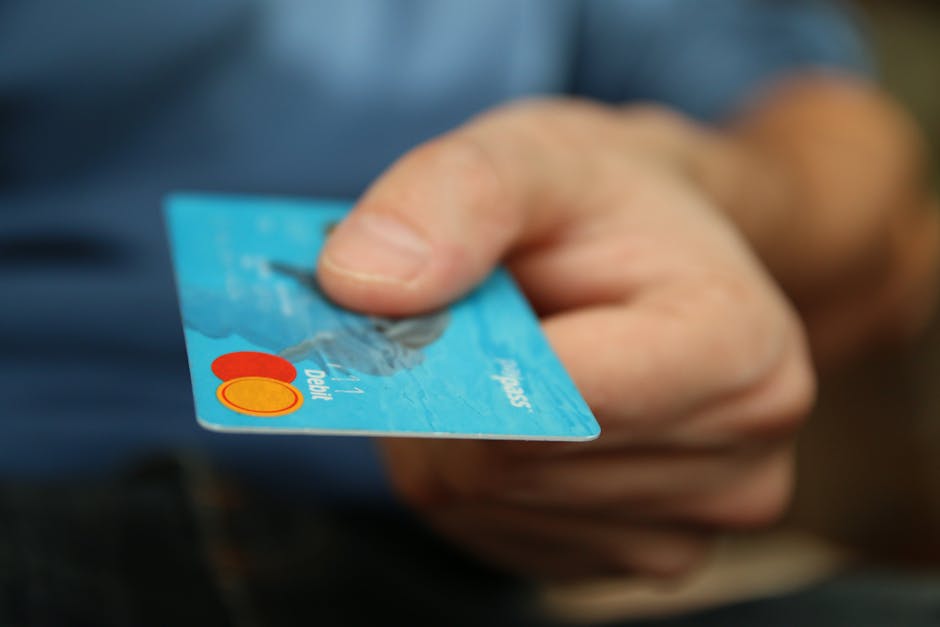
Authorization Process Details
Merchant sends payment request including amount to payment processor. Processor forwards request to card issuer or bank. Issuer checks account status, available funds, and fraud flags. Issuer sends approval or decline response. Merchant completes transaction based on response.Real-World Authorization Examples
- When you pay using instant bank transfer technology—such as through open banking APIs—the bank confirms balance and authorizes the money to be moved immediately. MrQ’s payments platform verifies authorization to ensure bets are covered by available funds before confirming participation.
Common Confusion: Authentication vs. Authorization
One widespread confusion in payment discussions is mixing these two terms as if they mean the same thing. However, authentication and authorization happen at distinct points:
Aspect Authentication Authorization Purpose Verify user identity Approve transaction Who performs it Payment platform, merchant systems, device Bank, card issuer, payment gateway Typical methods Passwords, biometrics, OTPs, CAPTCHA Funds check, fraud rules, credit limits When it occurs Before payment confirmation During transaction processingThe Role of Digital Wallets and Bank Transfer Technologies
With the cash decline accelerating, consumers and businesses are embracing payment methods that blend usability with security checks:

Digital Wallets Growth
Digital wallets like Apple Pay, Google Pay, and proprietary solutions used by companies such as MrQ streamline checkout by storing card and identity information securely. They handle authentication internally, often through biometric unlocks, which makes payment authentication less cumbersome for the user.
These wallets then facilitate payment authorization through traditional issuing banks or payment processors seamlessly behind the scenes.
Bank Transfer Technologies and Open Banking
Open banking APIs enable shoppers to authorize payments directly from bank accounts without needing cards, reducing reliance on card networks. In this flow, strong authentication happens upfront via the user’s bank login and consent, and authorization is https://matzav.com/the-evolution-of-alternative-payment-methods-in-the-digital-economy/ the bank approving movement of funds instantly.
This trend is reshaping payment authorization by introducing real-time checks and better transparency, supported by directives like PSD2 in Europe.
Why Detailing Prices, Fees, and Limits Matters
A common mistake we see in many articles covering payments is glossing over crucial transactional information such as:
- Pricing or fees associated with specific payment methods Exact limits on transaction amounts for authentication or authorization steps Timeframes for authentication prompts or authorization holds
For example, UK Finance reports different fraud liability rules depending on the payment method and authentication technique used. Also, digital wallets or instant bank transfers may have their own fee structures impacting end users or merchants.
Without these details, consumers and businesses do not get a true picture of potential costs or restrictions. Transparency here reduces friction and builds trust.
Summary
In the shifting payments landscape shaped by cash decline, digital wallets’ rise, and new bank transfer technologies, understanding payment authentication and payment authorization is vital. Authentication confirms who you are, often using biometric or multi-factor checks. Authorization follows, seeking approval from banks or card issuers to move money based on funds and risk.
Companies like MrQ embed these steps seamlessly to balance security with smooth user experiences. Meanwhile, regulators and organizations such as UK Finance emphasize strong customer authentication to combat fraud.
Finally, don’t overlook the importance of clear communication about pricing, fees, and transaction limits during these steps—it’s essential for managing expectations and ensuring transparency.
Whether paying with a card, digital wallet, or bank transfer, these security checks work together to make your payment both secure and successful.